Finance · 0:53 · Cantonese, with Chinese subtitles
01
Gamblers win too. Winning doesn't make it investing.
When a pick goes well, we call it good judgement; when it goes badly, we swear off it forever. Both are the same mistake: judging a decision by its result. The real question is what you based the decision on. If you made it a hundred times, how often would you win?
02
Not investing is also a decision, and it's the one that loses.
Leaving money untouched in an account feels safest: the number never goes down. But what it can actually buy shrinks every year.
£10,000today
3%inflation a year
41%of today's buying power left after 30 years
03
The point of compounding isn't the rate. It's time.
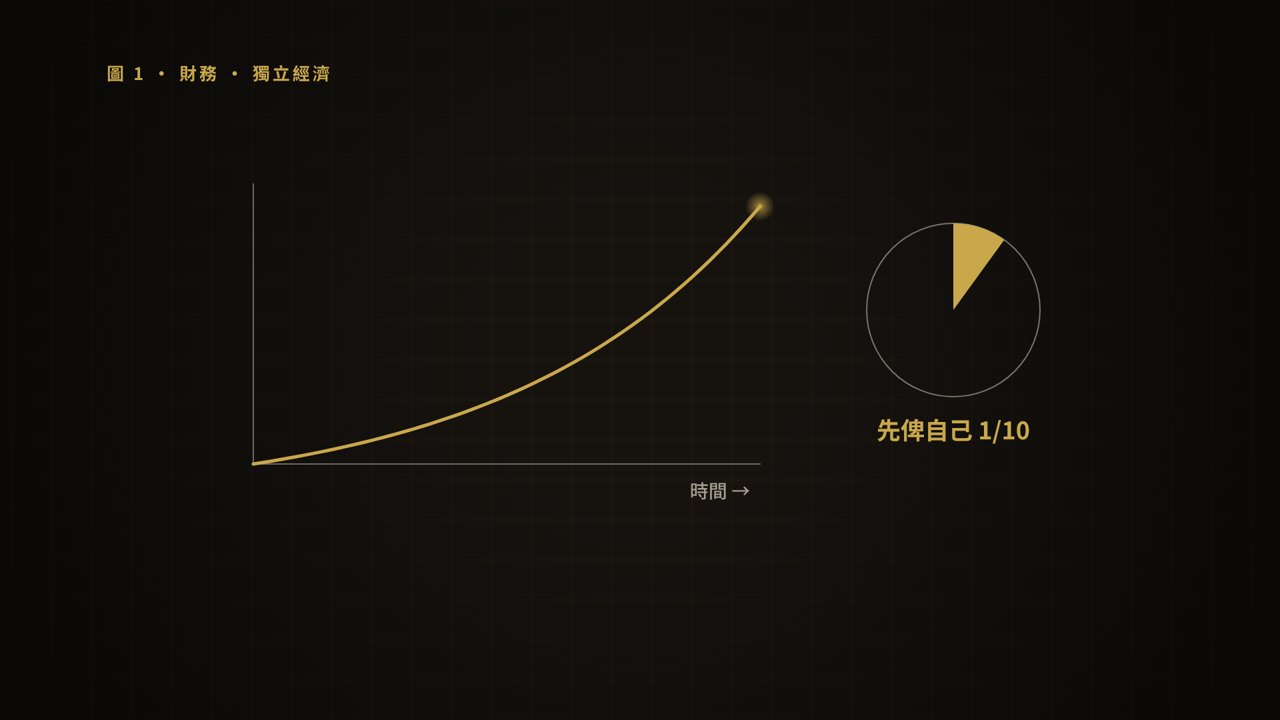
Money growing 7% a year roughly doubles in ten years, quadruples in twenty and grows eightfold in thirty. The last ten years add more than the first twenty put together.
×210 years
×420 years
×830 years
04
Pay yourself first.
Most people's order is: income, then rent, debts and spending, then save what's left. Usually nothing is left. The Richest Man in Babylon turns it around: income, then set aside at least a tenth first. A part of all you earn is yours to keep.
05
How Buffett and Munger think
What gets discussed most is what they bought. What you can actually learn from them is how they think.
Circle of competenceMargin of safetyMr MarketInvertPatience
06
Why this page won't need changing in ten years.
Pay yourself first, know your circle of competence, keep a margin of safety, tell volatility from risk, invert. True ten years ago, very likely still true in twenty. If you want to know what to buy today, there's no answer here, and there never will be.
This site is personal knowledge sharing: general information and discussion of ideas. It is not investment advice, financial advice or a recommendation, and it does not address anyone's personal situation. Investing involves risk; you may lose capital, and past performance is not a guide to the future. For personal advice, speak to a regulated professional.